

Explore Punta Cana’s Nature From the Comfort of an All‑Inclusive Stay
By Robert Curley
Punta Cana’s greatest natural treasures are its beaches. The eastern edge of the Dominican Republic boasts nearly 30 miles of palm-fringed, sandy coastline easing into clear turquoise waters— what has made this region a resort destination for nearly half a century. But you’ll also find an abundance of natural beauty beyond the Coconut Coast.

Home to an impressive array of cenote pools, nature parks, and wildlife sanctuaries, the Dominican Republic protects nearly a quarter of its land and 35% of its marine areas. Pairing your stay at Dreams® Cap Cana Resort & Spa with visits to nearby natural attractions* is a wonderful way to experience even more of what Punta Cana has to offer.
 |
 |
If your travels take you beyond Punta Cana, eligible Hyatt Vacation Club® Owners can convert their Ownership points to World of Hyatt® Bonus Points** to explore even more destinations.
NATURE ESCAPES NEAR PUNTA CANA
Just minutes from Punta Cana’s resort district, a series of nearby nature reserves invites travelers into vibrant, untouched ecosystems. Among them is Hoyo Azul, located inside Scape Park.* Spanish for “Blue Hole,” this turquoise oasis proves you don’t need to head to the shore to experience Punta Cana’s signature aqua waters. Nestled deep in the rainforest, the 45‑foot‑deep pool was formed when groundwater filled an eroded limestone basin. It’s one of the more spectacular cenotes, owing to the 250-foot-tall cliffs surrounding the pool, and the suspension bridge to access it.
Visitors to Scape Park can also spend a half or full day exploring Iguabonita Cave. It’s home to impressive natural formations, waterfalls, petroglyphs created by the Taíno people, and a unique zip‑line course that incorporates refreshing water features.

ADVENTURES ACROSS THE NORTHEAST REGION
Spanning more than 600 square miles, Los Haitises National Park* offers multiple opportunities to explore the Dominican Republic’s northeast coast. There’s a lot to see and do on a full-day visit—from viewing Taíno petroglyphs in caves like Cueva de la Línea to paddling kayaks through coastal mangroves or spotting wildlife in the tropical rainforest.
Another spot to explore is Montaña Redonda.* This peak can be reached via a mile-long hike that rewards you with 360-degree views of the Anamuya and Cordillera Oriental mountains. Or drive to Montaña Redonda using a 4×4 vehicle (for a fee), with the option to return by hiking down or via a zip line from the summit. Start or end your day by visiting the laid-back beach town of Miches, where you can relax at peaceful Playa Esmeralda before returning to Punta Cana.
Travelers seeking a quieter escape from the busier tourist hubs will find it at Salto de la Jalda.* This 400-foot waterfall is remarkably uncrowded, largely due to the 9-mile round-trip hike required to reach it. It’s a long but not especially difficult trail, with the promise of plunging into a refreshing waterfall pool at the midpoint. Visiting Salto de la Jalda takes most of the day if you’re coming from Punta Cana; the trailhead is near the Magua village, where local guides are available to lead you to the cascade.
DISCOVER THE SOUTH COAST’S UNTOUCHED BEAUTY
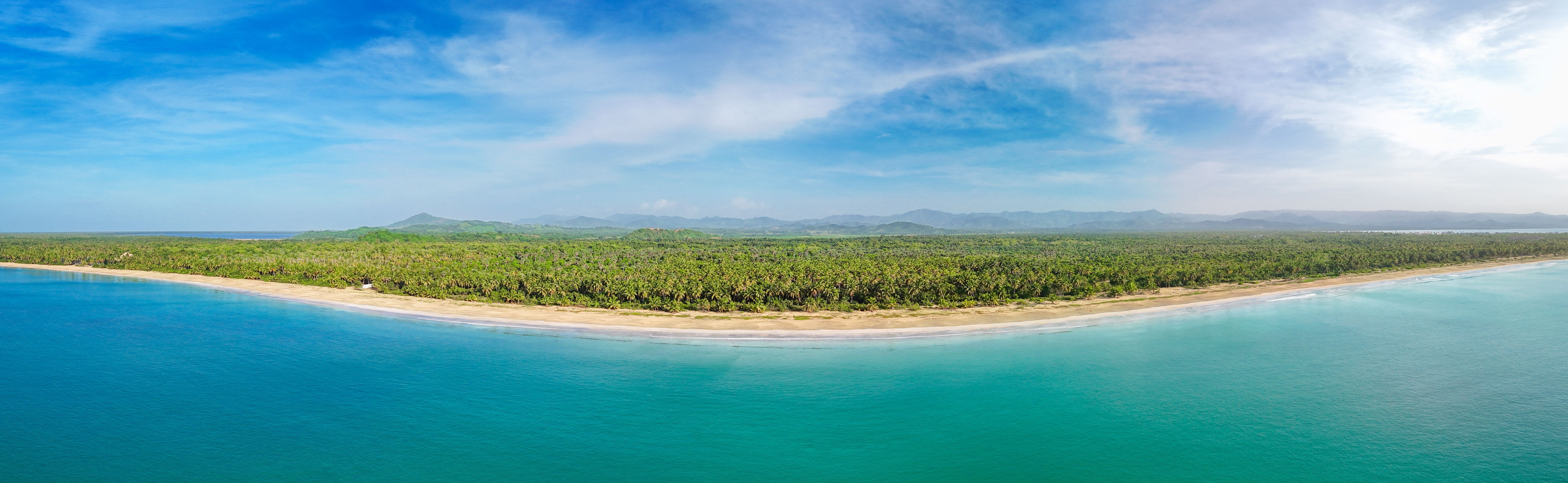
Previously known as East National Park, Cotubanamá National Park* offers a multitude of the Dominican Republic’s most alluring natural attractions, including subtropical forests, mangroves, beaches, and caves. Named for a Taíno chieftain who led a 16th-century revolt against the Spanish conquistadors, the park occupies more than 460 square miles of the Hispaniola mainland and two offshore islands: Isla Saona and Isla Catalina.
The park is richly intertwined with Taíno history and culture. You can view ancient pictographs and petroglyphs in extensive cave systems. Ceremonial plazas and indigenous cemeteries are also among the park’s treasures.
And don’t forget its 50 miles of coastline. Imagine long stretches of unspoiled beaches, where swimmers, snorkelers, and divers frequently share the water with dolphins and manatees. Certified scuba divers can join guided tours* of underground lakes in some of the park’s 400-plus known caves along the Sendero Ecológico y Arqueológico Padre Nuestro, which provides access to natural wonders both above and below ground. Boat tours* to some of the more remote areas of the park are also available to visitors.
Robert Curley writes regularly about the Caribbean and other travel destinations for publications including Coastal Living, AFAR, and Business Traveller.